

Planning Fall Yard Work in the Triangle? How Safety Eyewear & Advanced Corneal Care Prevent Severe Eye Injuries

Planning Fall Yard Work in the Triangle? How Safety Eyewear & Advanced Corneal Care Prevent Severe Eye Injuries

Planning Fall Yard Work in the Triangle? How Safety Eyewear & Advanced Corneal Care Prevent Severe Eye Injuries

Planning Fall Yard Work in the Triangle? How Safety Eyewear & Advanced Corneal Care Prevent Severe Eye Injuries

Planning Fall Yard Work in the Triangle? How Safety Eyewear & Advanced Corneal Care Prevent Severe Eye Injuries

Planning Fall Yard Work in the Triangle? How Safety Eyewear & Advanced Corneal Care Prevent Severe Eye Injuries

Planning Fall Yard Work in the Triangle? How Safety Eyewear & Advanced Corneal Care Prevent Severe Eye Injuries

Planning Fall Yard Work in the Triangle? How Safety Eyewear & Advanced Corneal Care Prevent Severe Eye Injuries

Planning Fall Yard Work in the Triangle? How Safety Eyewear & Advanced Corneal Care Prevent Severe Eye Injuries

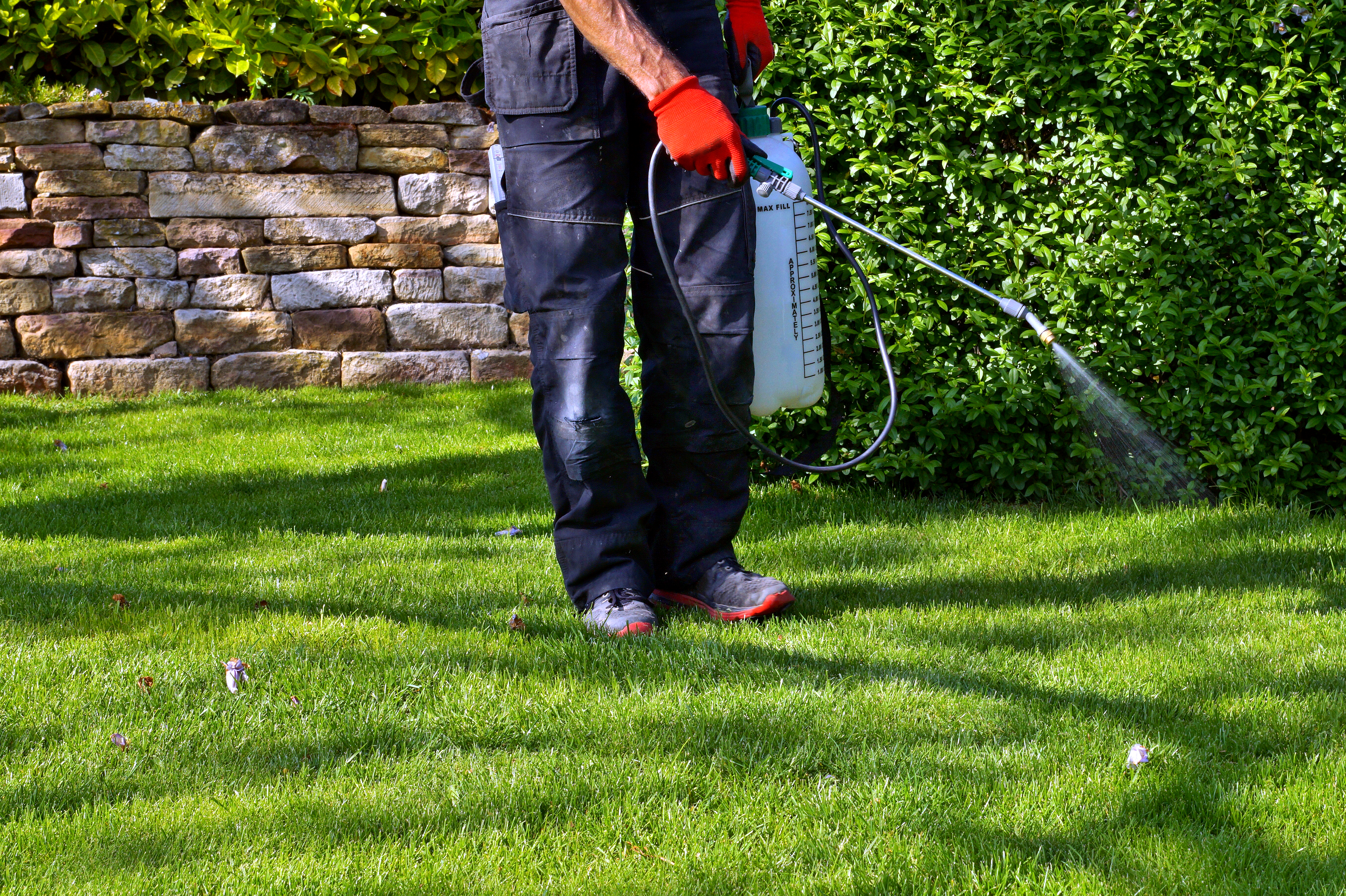
Fall yard work across Raleigh and the Triangle can mean mowing, trimming shrubs, clearing leaves, cutting branches, and preparing landscaping for cooler weather. These routine projects can also send dirt, wood chips, stones, and plant debris toward the eyes with little warning.
At Raleigh Eye Center, we encourage patients to make proper safety eyewear part of every yard-work plan. If an injury still occurs, prompt medical eye care is important because even a small corneal scratch or embedded foreign body can lead to complications.
Why Is Fall Yard Work Risky for Your Eyes?
Lawn mowers, string trimmers, leaf blowers, hedge trimmers, and other tools can propel debris at high speed. A hidden stone or piece of wood may become airborne before you have time to react.
Branches, thorns, and twigs can also scratch the cornea, which is the clear protective surface at the front of the eye.
The American Academy of Ophthalmology recommends protective eyewear for yard work and notes that people standing nearby may also be at risk from flying debris.
What Eye Protection Should You Wear?
Ordinary prescription glasses or sunglasses are not automatically designed to protect against high-speed impacts. For higher-risk outdoor projects, choose properly fitting protective eyewear intended for the activity.
Before starting fall cleanup:
Wear impact-resistant safety glasses or goggles when mowing, trimming, cutting, or using power tools
Check the lawn for rocks, sticks, and other loose debris before mowing
Keep children and other bystanders away from active equipment
Use side protection when debris could approach from different directions
Replace scratched, cracked, or damaged protective lenses
Wear eye protection even for quick jobs that seem low risk
Prescription wearers can ask about protective options that accommodate or incorporate their vision correction.
What Should You Do if Something Gets in Your Eye?
If loose dust or a small particle gets into your eye, avoid rubbing. Rubbing can drag material across the cornea and create an abrasion.
Gentle rinsing with clean water may help remove loose particles. If discomfort continues, the object appears embedded, or you develop significant redness, tearing, light sensitivity, or blurry vision, seek professional evaluation.
Do not attempt to pull out an object that is stuck in or penetrating the eye. Avoid pressing on the eye and seek urgent medical attention.
Why Do Corneal Injuries Need Prompt Care?
A scratched cornea can cause intense discomfort because the corneal surface contains many sensitive nerve endings. Symptoms may include pain, tearing, a gritty sensation, redness, light sensitivity, and blurry vision.
Some injuries heal without lasting problems, but others can become infected or leave scarring that affects vision. Raleigh Eye Center treats corneal abrasions, traumatic scars, corneal infections and ulcers, recurrent erosions, and other corneal conditions.
Advanced corneal care does not replace prevention. Its role is to diagnose the injury accurately and manage damage or complications when an accident occurs.
When Is an Eye Injury an Emergency?
Seek immediate care for sudden vision loss, severe eye pain, a penetrating injury, significant bleeding, chemical exposure, or a major impact to the eye.
Chemical splashes should be flushed immediately with clean lukewarm water before seeking urgent medical evaluation. Do not delay rinsing while looking for an eye doctor.
Raleigh Eye Center also advises patients experiencing sudden vision changes, eye injuries, or signs of serious infection to contact an eye care professional promptly.
If fall yard work in Raleigh or elsewhere in the Triangle leads to eye pain, persistent irritation, blurry vision, or a suspected corneal injury, contact Raleigh Eye Center at 3320 Executive Drive #111, Raleigh, NC 27609 by calling (919) 876-2427. Our team can evaluate the injury and provide advanced corneal care when your eyes need prompt attention.


© 2026 Raleigh Eye Center. All rights Reserved. Accessibility Statement - Privacy Policy - Terms and Conditions - Sitemap
Powered by:
