

Blog

Blog

Blog

Blog

Blog

Blog

Blog

Blog

Blog

Raleigh Eye Center Blog
Learn more about optometry care in our blog!

Summer in Raleigh is made for being outside. Whether you are driving to the coast, playing golf, hiking local trails, spending time on the lake, or watching your child’s game from the sidelines, clear and comfortable vision matters. But if you are constantly squinting in bright sunlight, dealing with glare, or taking your sunglasses on and off to see better, your eyes may not be getting the protection or performance they need.
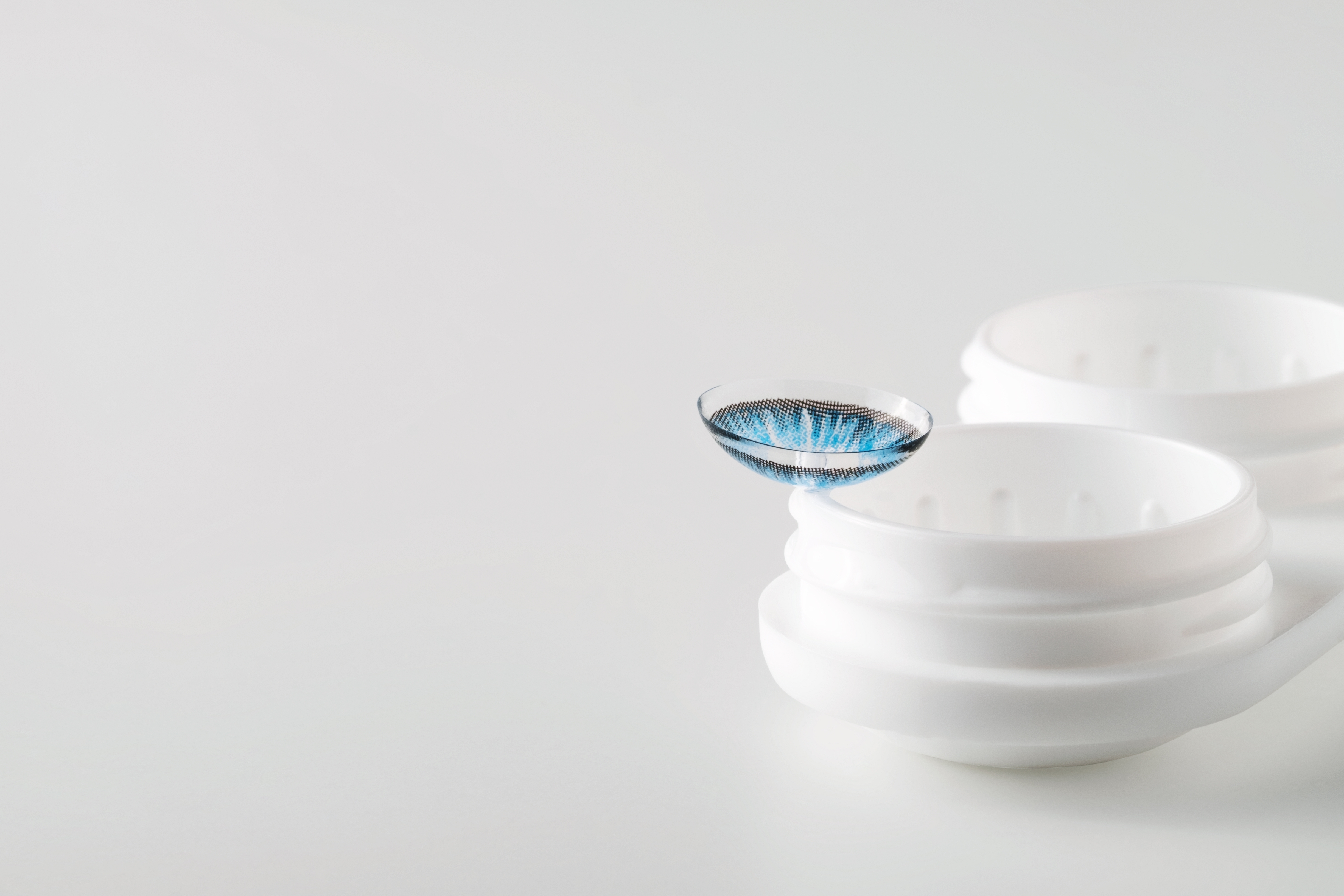
Contact lenses should support clear, comfortable vision throughout your day, but the right lens type depends on your eyes. Soft contacts are a great fit for many patients, while scleral lenses may be better for people with dry eye, keratoconus, irregular corneas, or trouble getting stable vision from standard lenses. For patients in Reidsville, NC, understanding how these options differ can make it easier to choose the best fit during a contact lens exam.

Glaucoma is one of the leading causes of vision loss, and it often develops slowly without noticeable symptoms in the early stages. Because vision changes may not appear until the condition has progressed, understanding your personal risk is an important part of protecting your long-term eye health.

Chronic dry eye can cause burning, stinging, redness, watering, blurry vision, and a gritty feeling that makes daily tasks uncomfortable. For many patients, the issue is not simply a lack of tears. It is often related to poor tear quality, especially when the oil layer of the tear film is not working properly.

Screen time is part of daily life for many people in Raleigh. Between work, school, phones, tablets, and streaming, it is easy to spend hours looking at digital devices without thinking about how they affect the eyes. One of the most common issues linked to heavy device use is dry eye. The connection is largely tied to blinking. The American Academy of Ophthalmology notes that people tend to blink less when using computers and other digital screens, which can leave the surface of the eyes drier and more irritated.
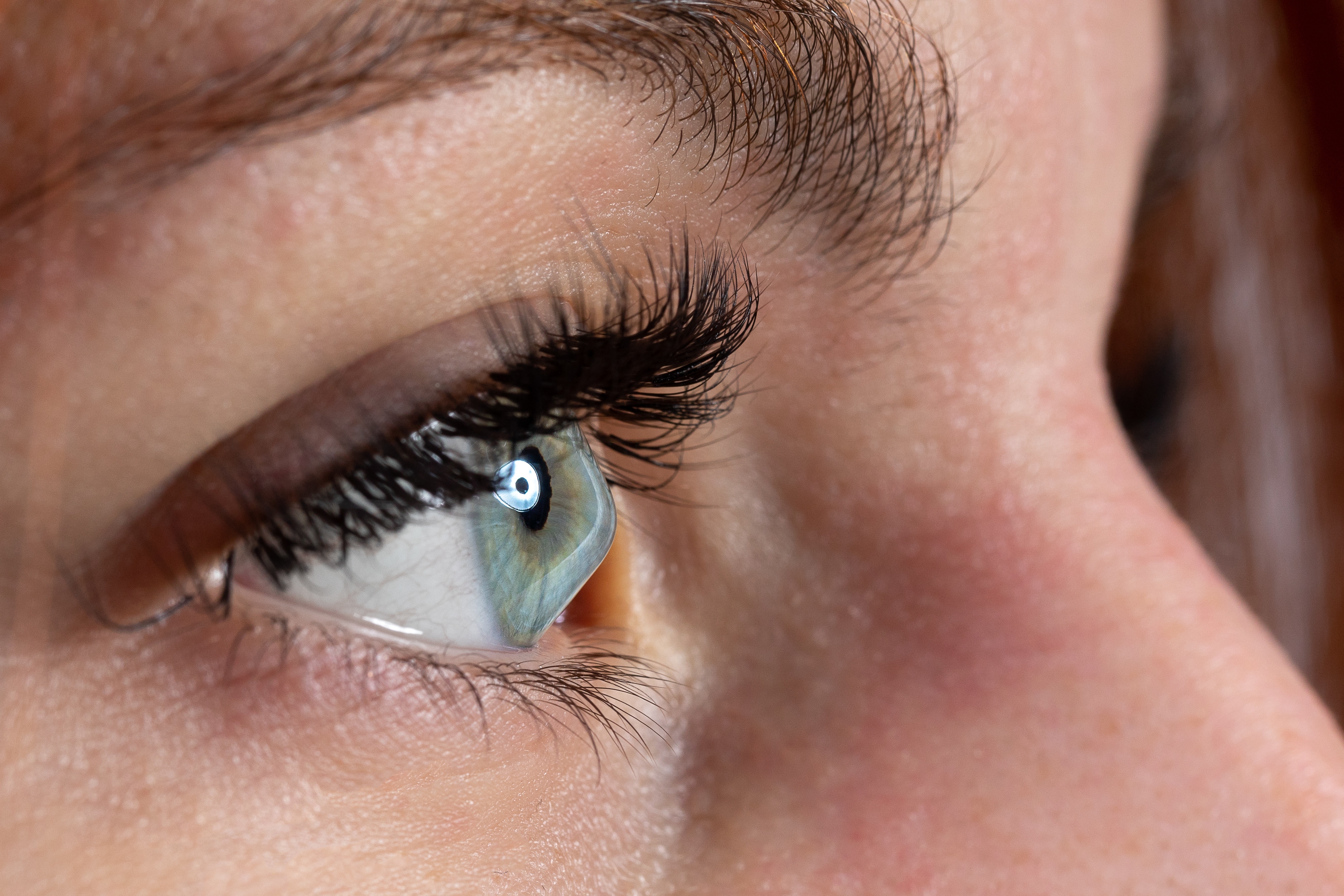
Keratoconus can change vision gradually, but its effects can become serious without the right treatment. At Raleigh Eye Center, we help patients in Raleigh, North Carolina understand their options when the cornea begins to thin and bulge outward. Corneal cross-linking has changed the way we manage progressive keratoconus because it is designed to strengthen the cornea and slow the disease before it causes more damage.
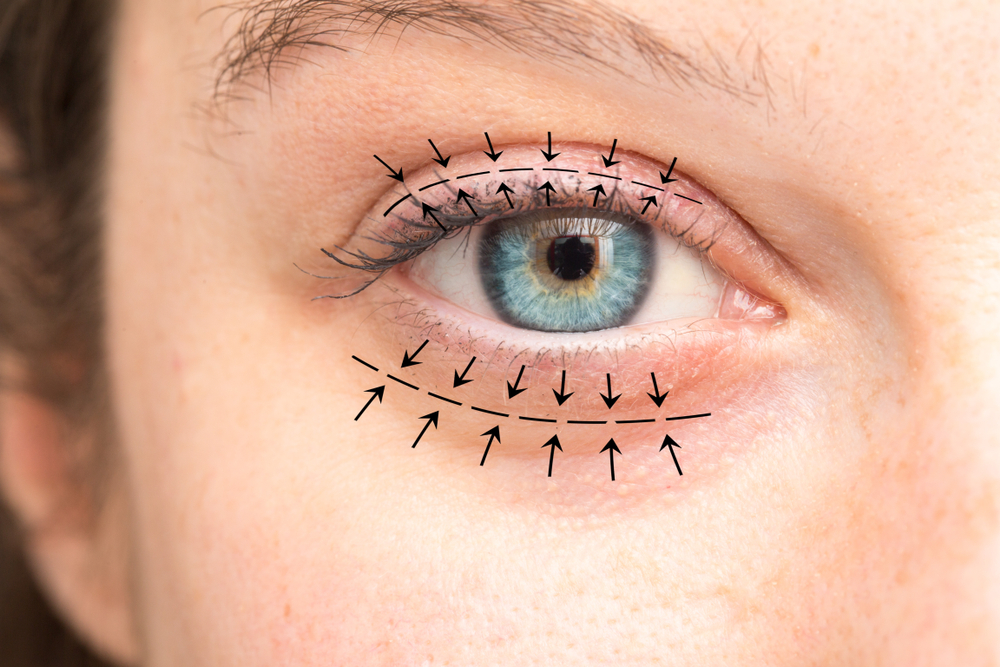
Oculoplastics is a specialized area of eye care that focuses on the eyelids, eye socket, and tear drainage system. At Raleigh Eye Center, we use oculoplastics to evaluate both functional and medical concerns that affect comfort, vision, and appearance. For patients in Raleigh, NC, this can mean identifying the cause of drooping lids, blocked tear ducts, eyelid growths, or orbital problems and building a treatment plan around the issue.
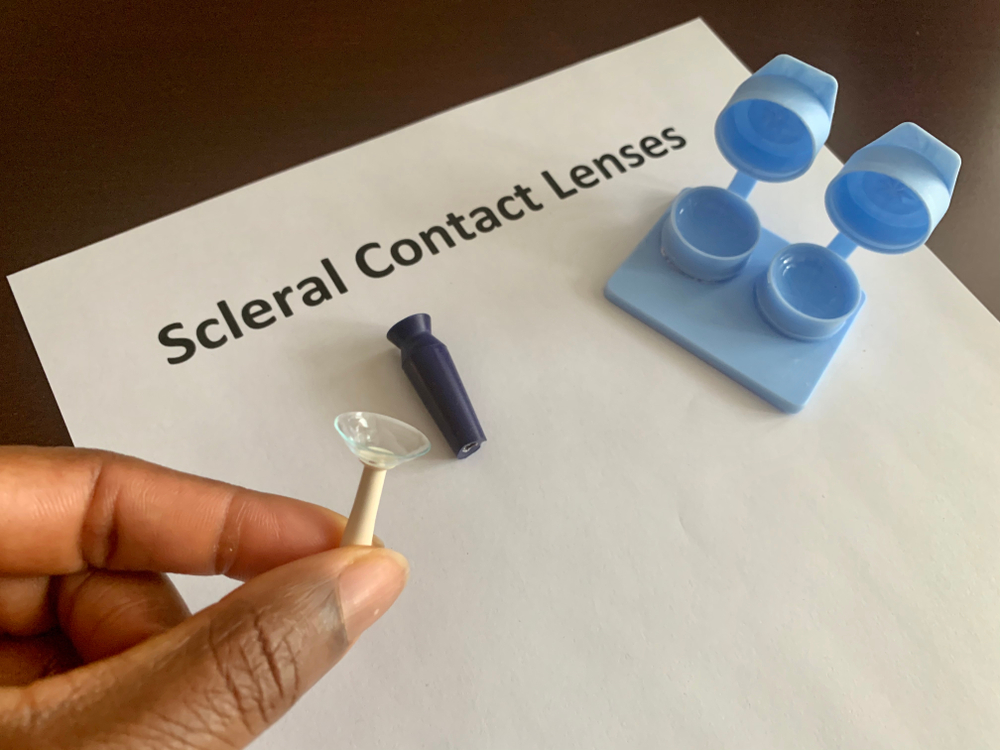
Scleral lenses are larger specialty contact lenses that rest on the white part of the eye instead of the cornea. Because they create a smooth optical surface and hold a reservoir of fluid, they can improve both vision and comfort for patients who have not done well with traditional contact lenses. At Raleigh Eye Center, we often recommend scleral lenses for patients in Raleigh who need a more advanced option for clear, stable vision.
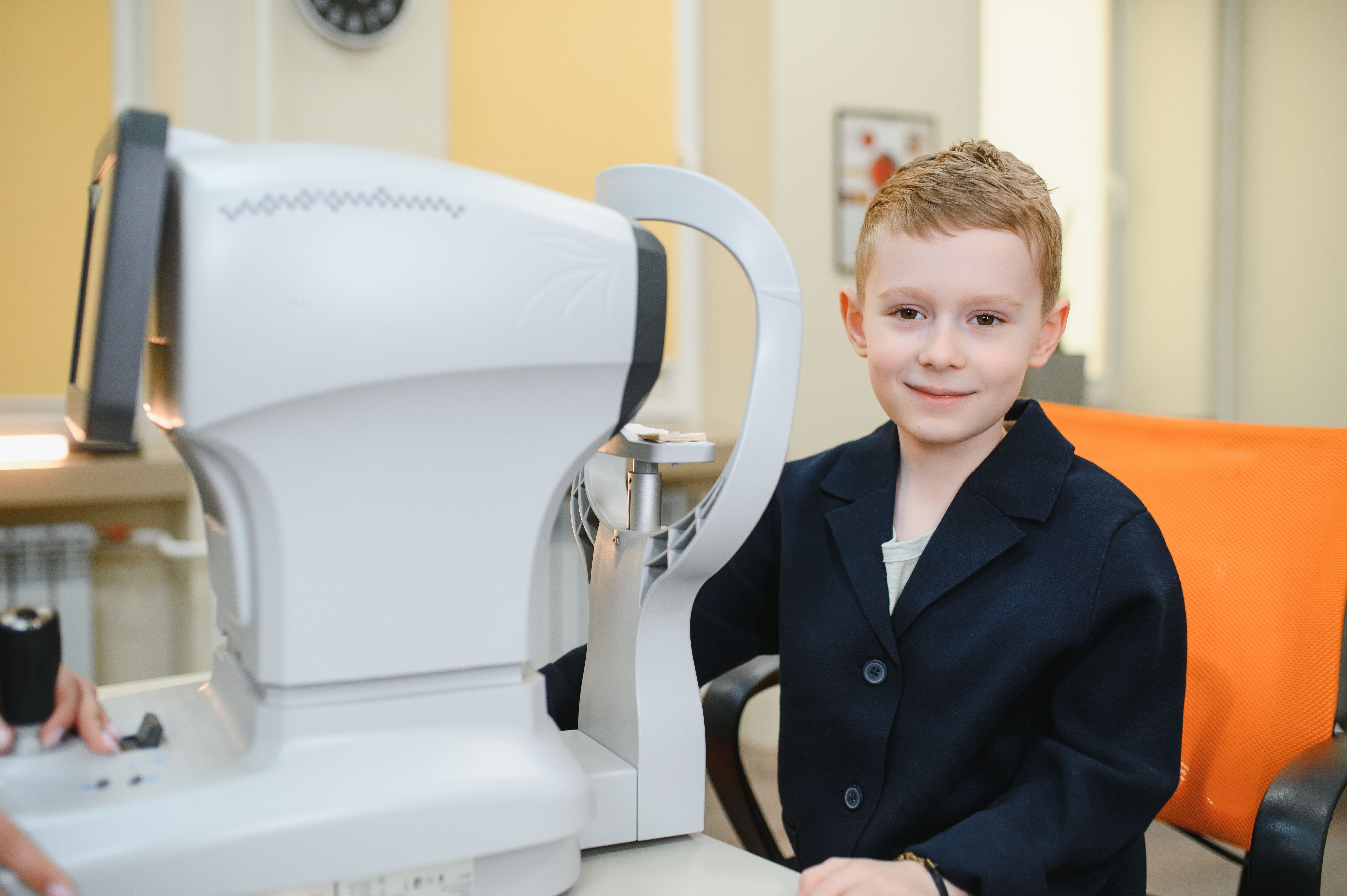
As parents, we all want to give our children the best possible start in life. From reading their first book to solving math problems in the classroom, clear and comfortable vision plays a critical role in a child’s academic success. At Raleigh Eye Center, we believe pediatric eye exams are one of the most important steps you can take to support your child’s learning and development.
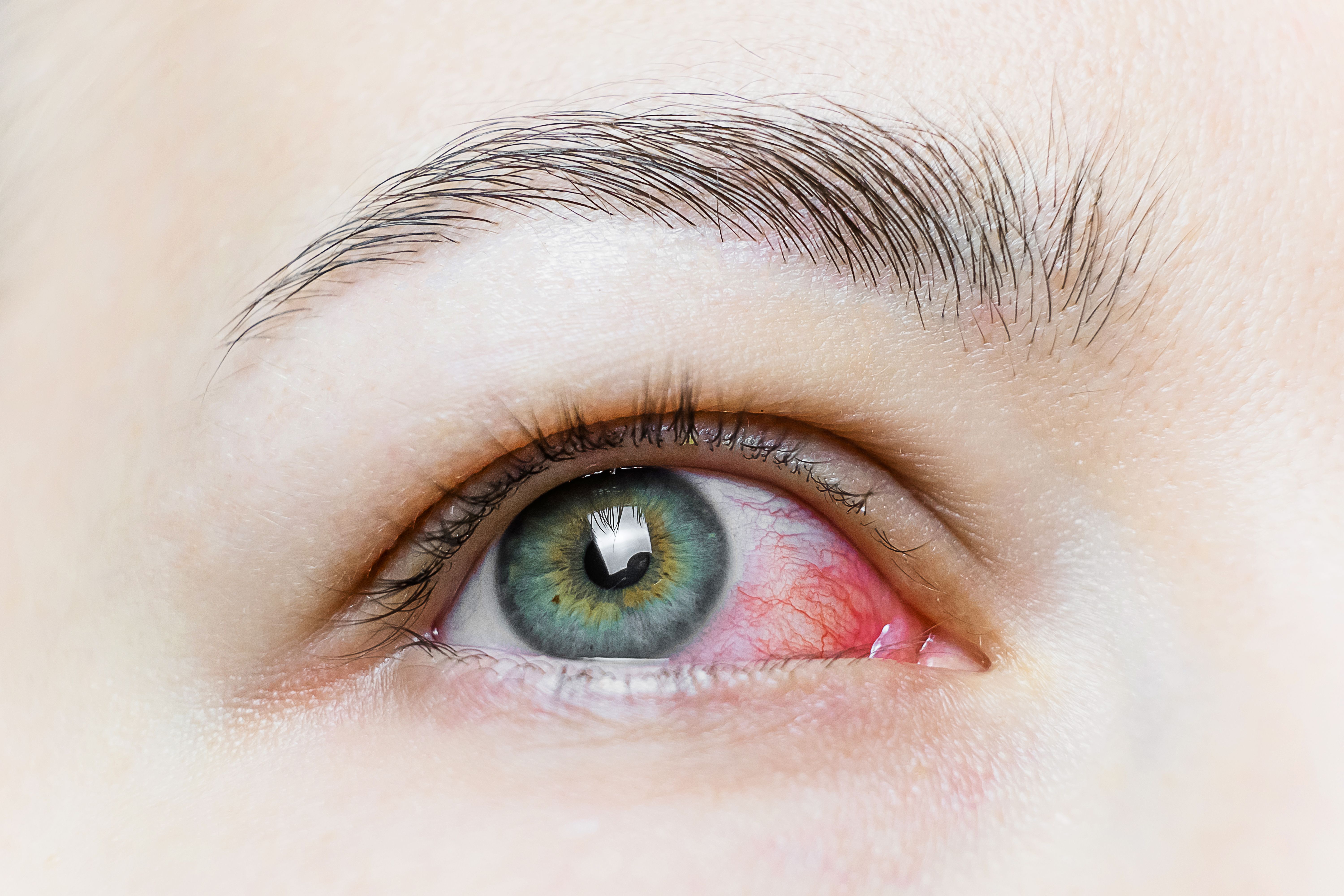
Eye problems can be alarming - especially when symptoms come on suddenly. From unexpected vision changes to eye pain or injuries, it’s not always obvious whether the situation requires immediate care or can wait for a routine appointment. Knowing when to call your eye doctor can make a critical difference in protecting your vision.


© 2026 Raleigh Eye Center. All rights Reserved. Accessibility Statement - Privacy Policy - Terms and Conditions - Sitemap
Powered by:
